
The earliest recorded use of the name "Amsterdam" is from a certificate dated 27 October 1275, when the inhabitants, who had built a bridge with a dam across the Amstel, were exempted from paying a bridge toll by Count Floris V.[15] The certificate describes the inhabitants as homines manentes apud Amestelledamme (people living near Amestelledamme).[16] By 1327, the name had developed into Aemsterdam.[15] Amsterdam's founding is relatively recent compared with much older Dutch cities such as Nijmegen, Rotterdam, and Utrecht. In October 2008, historical geographer Chris de Bont suggested that the land around Amsterdam was being reclaimed as early as the late 10th century. This does not necessarily mean that there was already a settlement then since reclamation of land may not have been for farming—it may have been for peat, used as fuel.
Amsterdam was granted city rights in either 1300 or 1306.[18] From the 14th century on, Amsterdam flourished, largely because of trade with the Hanseatic League. In 1345, an alleged Eucharistic miracle in the Kalverstraat rendered the city an important place of pilgrimage until the adoption of the Protestant faith. The Stille Omgang—a silent procession in civil attire—is today a remnant of the rich pilgrimage history.
In the 16th century, the Dutch rebelled against Philip II of Spain and his successors. The main reasons for the uprising were the imposition of new taxes, the tenth penny, and the religious persecution of Protestants by the Spanish Inquisition. The revolt escalated into the Eighty Years' War, which ultimately led to Dutch independence.[20] Strongly pushed by Dutch Revolt leader William the Silent, the Dutch Republic became known for its relative religious tolerance. Jews from the Iberian Peninsula, Huguenots from France, prosperous merchants and printers from Flanders, and economic and religious refugees from the Spanish-controlled parts of the Low Countries found safety in Amsterdam. The influx of Flemish printers and the city's intellectual tolerance made Amsterdam a centre for the European free press.
Amsterdam is part of the province of North-Holland and is located in the west of the Netherlands next to the provinces of Utrecht and Flevoland. The river Amstel terminates in the city centre and connects to a large number of canals that eventually terminate in the IJ. Amsterdam is situated 2 metres above sea level.[3] The surrounding land is flat as it is formed of large polders. To the southwest of the city lies a man-made forest called het Amsterdamse Bos. Amsterdam is connected to the North Sea through the long North Sea Canal.
Amsterdam is intensely urbanized, as is the Amsterdam metropolitan area surrounding the city. Comprising 219.4 square kilometres of land, the city proper has 4,457 inhabitants per km2 and 2,275 houses per km2.[34] Parks and nature reserves make up 12% of Amsterdam's land area.
[edit] ClimateAmsterdam has an oceanic climate (Köppen climate classification Cfb), strongly influenced by its proximity to the North Sea to the west, with prevailing north-western winds and gales. Winter temperatures are cool to mild. Amsterdam, as well as most of the North-Holland province, lies in USDA Hardiness zone 9, the northernmost such occurrence in continental Europe. Frosts mainly occur during spells of easterly or northeasterly winds from the inner European continent, from Scandinavia, Russia, or even Siberia. Even then, because Amsterdam is surrounded on three sides by large bodies of water, as well as enjoying a significant heat-island effect, nights rarely fall below −5 °C (23 °F), while it could easily be −12 °C (10 °F) in Hilversum, 25 kilometres southeast. Summers are moderately warm but rarely hot. The average daily high in August is 21.8 °C (71.2 °F), and 30 °C (86 °F) or higher is only measured on average on 3 days, placing Amsterdam in AHS Heat Zone 2. Days with measurable precipitation are common, on average 186 days per year. Amsterdam's average annual precipitation is 833 millimetres (32.8 in). Most of this precipitation is in the form of protracted drizzle or light rain, making cloudy and damp days common during the cooler months of October through March. Only the occasional European windstorm brings significant rain in a short period of time, requiring it to be pumped out to higher ground or to the seas around the city.

amsterdam

amsterdam pictures

amsterdam city

amsterdam canals

amsterdam hotels

amsterdam canals pictures

amsterdam red light district

amsterdam red light district

amsterdam red light district
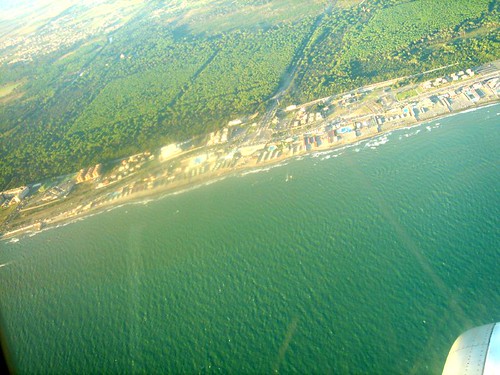 amsterdam beaches
 amsterdam beaches
 amsterdam beaches
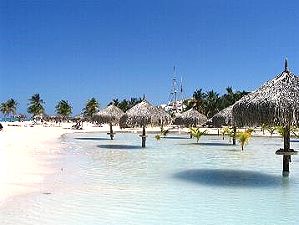 amsterdam beaches
 amsterdam beaches
 amsterdam beaches
 amsterdam beaches
 amsterdam beaches
 amsterdam city
 amsterdam city
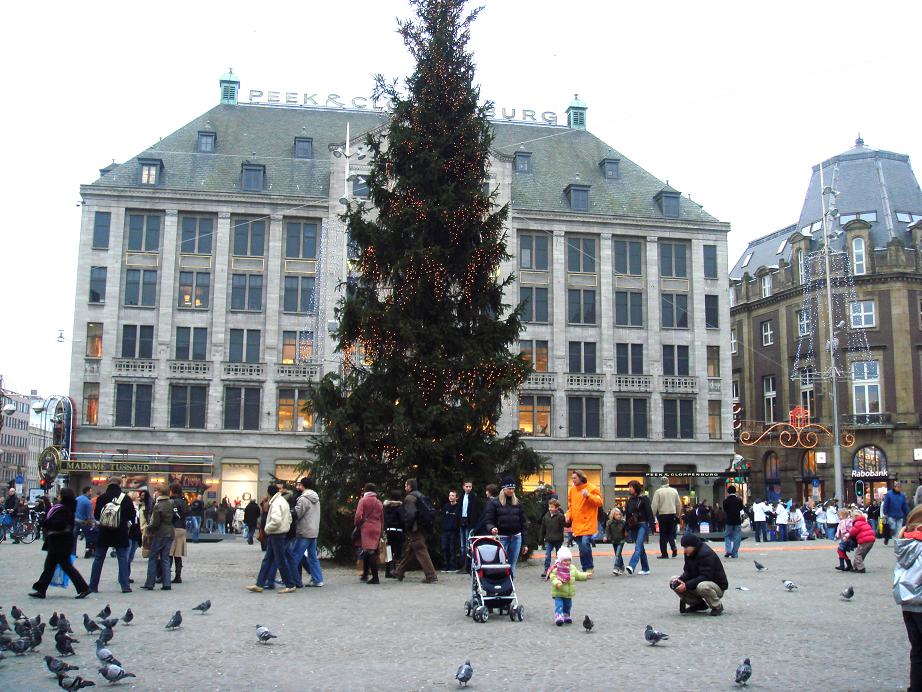 amsterdam city
 amsterdam city
 The earliest recorded use of the name "Amsterdam" is from a certificate dated 27 October 1275, when the inhabitants, who had built a bridge with a dam across the Amstel, were exempted from paying a bridge toll by Count Floris V.[15] The certificate describes the inhabitants as homines manentes apud Amestelledamme (people living near Amestelledamme).[16] By 1327, the name had developed into Aemsterdam.[15] Amsterdam's founding is relatively recent compared with much older Dutch cities such as Nijmegen, Rotterdam, and Utrecht. In October 2008, historical geographer Chris de Bont suggested that the land around Amsterdam was being reclaimed as early as the late 10th century. This does not necessarily mean that there was already a settlement then since reclamation of land may not have been for farming—it may have been for peat, used as fuel.
 amsterdam pictures
 amsterdam city
 amsterdam canals
 amsterdam hotels
 amsterdam canals pictures
 amsterdam red light district
 amsterdam red light district


